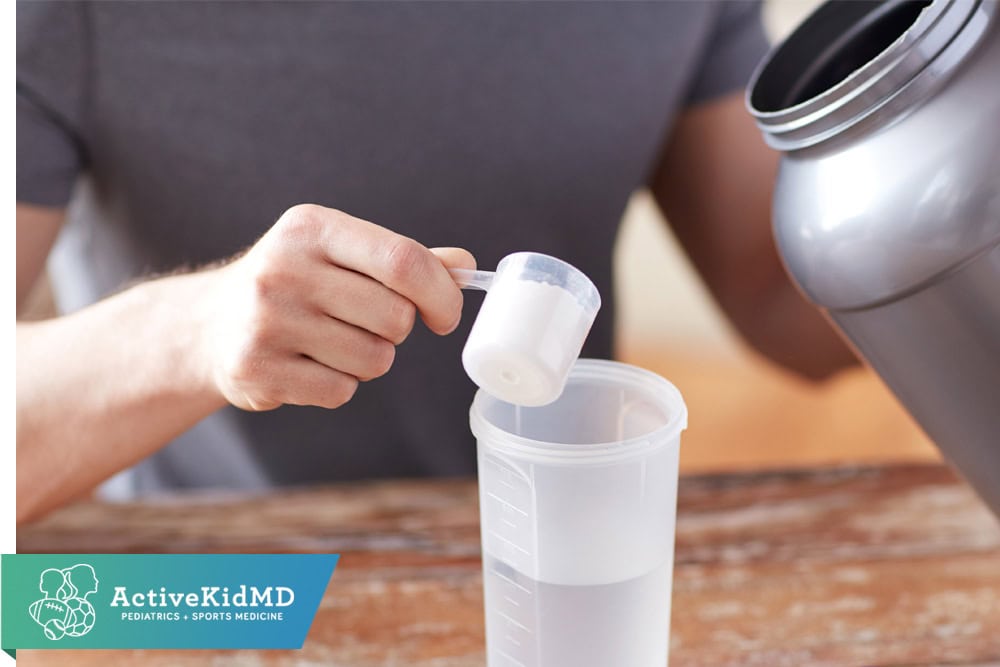
Young athletes are exposed to more nutrition and supplement advice than ever before. Protein powders. Creatine. Electrolyte drinks. Pre-workout products. Vitamins. Recovery supplements.
Some recommendations come from coaches or teammates. Others come from social media, professional athletes, influencers, or supplement companies. With so much information available, it can be difficult for athletes and parents to separate useful guidance from marketing and misinformation.
The most important point to remember is this:
Supplements should never replace the fundamentals of athletic performance.
Adequate nutrition, hydration, sleep, recovery, and appropriate training remain the foundation for growth, development, performance, and injury prevention.
The information below is for general educational purposes and does not endorse the use of creatine or any other dietary supplement. Before starting any supplement or medication, young athletes and their families should discuss the decision with a trusted medical professional.
Myth: Supplements Are the Fastest Way to Become Stronger or Perform Better
Truth: Training, nutrition, and recovery come first.
 No supplement can compensate for an athlete who is consistently under-fueled, sleep-deprived, dehydrated, or following an inappropriate training program.
For young athletes trying to improve strength and performance, the most effective starting points include:
- A logical and progressive resistance-training program
- Adequate daily calories
- Sufficient protein, carbohydrates, and healthy fats
- Appropriate hydration
- Consistent recovery
- At least eight hours of sleep per night for most adolescent athletes
Supplements, when appropriate, should be considered an addition to these habits—not a replacement for them.
For more information about sleep and athletic performance, read Optimizing Effective Sleep Patterns for Higher Performance.
For additional nutrition guidance, visit Nutrition Guidelines.
Myth: Creatine Is a New Supplement for Athletes
Truth: Creatine has been studied for decades.
Creatine is not new. Sports medicine professionals have been discussing and researching it for more than 25 years.
Creatine is naturally present in muscle tissue and helps replenish short-acting energy sources used during skeletal muscle contractions. The body makes creatine, and it can also be obtained through food.
Dietary sources include meat and fish. Wild game and wild-caught fish can contain relatively high amounts, while domestic meats and fish also provide creatine along with valuable nutrients such as protein, iron, and other micronutrients.
Myth: Taking Creatine Automatically Builds Muscle
Truth: Creatine only helps when the athlete puts in the work.
 Creatine is one of the better-studied dietary supplements for increasing lean body mass when combined with resistance training.
The evidence is strongest in adults. Research involving adolescents is encouraging but much more limited.
Studies involving teenage athletes have demonstrated increases in body mass and some measurements of lean mass. However, there are not enough high-quality pediatric studies to determine how much of that increase represents newly developed muscle tissue versus additional water stored within muscle.
The most reliable strategy for increasing muscle and strength remains:
Progressive resistance training + sufficient calories + adequate protein + consistent recovery.
Simply taking creatine without an appropriate training program will not create meaningful strength or muscle gains.
Myth: Creatine Is Dangerous for Every Athlete Under 18
Truth: The answer is more complicated.
Recommendations surrounding creatine use in adolescents have evolved.
Earlier guidance from many U.S.-based sports medicine organizations was much more cautious about creatine supplementation in athletes under age 18.
Research in adolescents remains limited compared with research in adults, but available studies have not demonstrated evidence of liver or kidney damage or other serious adverse effects in otherwise healthy adolescents using creatine appropriately.
There is also no good evidence that routine creatine supplementation causes dehydration or increases the risk of heat illness or concussion.
That does not mean every young athlete should automatically take creatine.
It means physicians can have a more informed discussion with healthy adolescent athletes and their families about potential benefits, limitations, and risks.
The available safety data in teenagers is reassuring, but it is still far less extensive than the evidence available in adults.
Myth: Creatine Can Help Treat a Sports Concussion
Truth: The research is interesting, but it is not a proven concussion treatment.
The brain also uses creatine as part of its energy system, which has led researchers to investigate whether increasing creatine availability could potentially support recovery following traumatic brain injury.
Some small studies involving children with more significant brain injuries have suggested possible benefits.
However, we do not currently have strong evidence showing that creatine speeds recovery from a typical sports-related concussion.
Creatine should therefore be considered a potential evolving treatment for concussion.
Any athlete suspected of having a concussion should be removed from activity and appropriately evaluated before returning to sports.
Myth: If Creatine Is Available Over the Counter, Every Product Is Basically the Same
Truth: Supplement quality can vary considerably.
 Dietary supplements in the United States do not undergo the same premarket approval process as prescription medications.
That means the amount or composition listed on the label may not always perfectly match what is inside the container. Some products may also contain substances that are not clearly disclosed.
For competitive athletes in particular, contamination with banned substances can create additional concerns.
When a supplement is being considered, look for independent third-party certification. Products carrying an NSF Certified for Sport designation undergo additional testing related to product quality and prohibited substances.
What Type of Creatine Has Been Studied the Most?
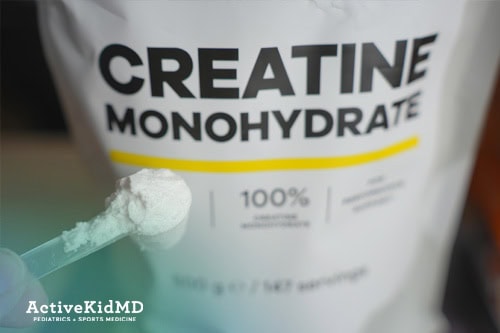
Creatine monohydrate is the most extensively studied form.
It is commonly available as a powder, and some products are also available in liquid formulations.
You may encounter several dosing approaches. Historically, some programs included a higher “loading phase” followed by a lower maintenance dose.
Another common approach is simply taking a consistent amount every day without loading. For older adolescents in whom creatine supplementation has been individually discussed and deemed appropriate by their medical team, commonly referenced adult-style maintenance dosing is approximately 3–5 grams of creatine monohydrate once daily, including on non-training days.
Consistency appears to matter more than taking creatine immediately before or after a workout and cycling on and off creatine is generally not considered necessary.
Because pediatric research remains more limited, young athletes should discuss the appropriate product and dose with their physician rather than simply following instructions from social media, teammates, or an adult-supplement label.
Are There Side Effects?
 Creatine is generally well tolerated, but possible effects can include:
- Water retention
- Increased body weight
- Bloating or gastrointestinal discomfort
- Muscle cramping in some individuals
Kidney injury has occasionally been reported, particularly in people with preexisting kidney concerns or other contributing factors. This is one reason athletes with known kidney disease or other significant medical conditions should not begin supplementation without physician guidance.
Creatine use may also increase a laboratory measurement called creatinine.
Creatinine is commonly used as part of an evaluation of kidney function. Because creatine can convert into creatinine, athletes taking creatine may have an elevated creatinine result even when there is no actual kidney injury.
I have seen this finding in adolescent and adult elite athletes.
If your child takes creatine, make sure their medical team knows. It provides important context when interpreting laboratory results.
Myth: If a Supplement Works for an Adult Athlete, It Must Be Appropriate for a Child
Truth: Children and adolescents are not simply smaller adults.
Young athletes are still growing and developing.
Their nutritional needs, training tolerance, sleep requirements, medical histories, and stage of development all matter when deciding whether a supplement is appropriate.
A conversation about supplementation should therefore consider questions such as:
- Is the athlete eating enough?
- Are they getting adequate protein through food?
- Are they sleeping enough?
- Is their training program appropriate?
- Are they trying to compensate for poor nutrition or recovery?
- Do they take medications or have medical conditions that could affect supplement safety?
- What is the athlete hoping the supplement will accomplish?
- Has the product been independently tested?
Sometimes the best “supplement plan” is simply improving meals, sleep, hydration, and training consistency.
The Bottom Line on Creatine and Young Athletes
 Yes, I have heard about creatine.
I have been discussing it with athletes and families for decades, and my approach has evolved as the research has evolved.
Today, I am more comfortable discussing creatine monohydrate with a healthy adolescent athlete and their family than I was earlier in my career.
But that conversation comes with important qualifications.
- Creatine does not work alone.
- It cannot replace appropriate training, adequate calories, balanced nutrition, hydration, or sleep.
And perhaps most importantly:
- Young athletes should not make supplement decisions alone.
- Before starting creatine, protein supplements, pre-workout products, vitamins, or other performance-related supplements, talk with a pediatrician or sports medicine physician who understands the athlete’s medical history, development, nutritional needs, and training goals.
The team at ActiveKidMD is available to help families sort through questions about nutrition, creatine, supplements, athletic performance, and other pediatric or sports medicine concerns.
When it comes to young athletes, the goal is not simply to find something that promises better performance.
It is to build healthy habits that support performance today while protecting growth, development, and long-term health.