
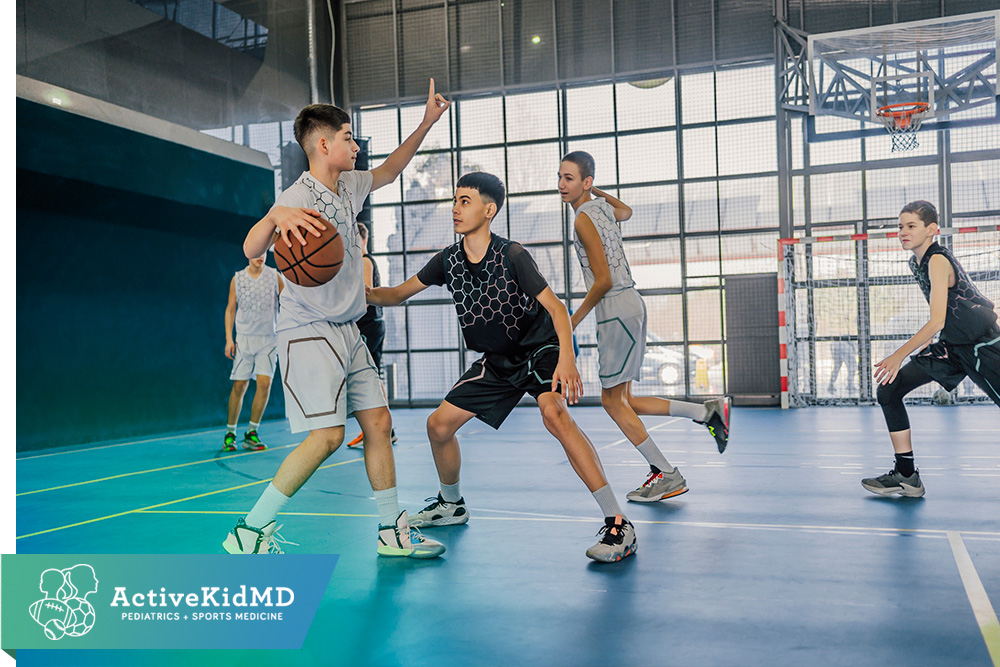
Summertime, to most kids, means no school, sleeping in late, and just taking it easy. However, many young athletes and performers test themselves by attending high-level summer sports camps, showcases or intensives. Their goals include becoming stronger, learning new skills, gaining the attention of college coaches and recruiters, and forming new friendships.
Unfortunately, many unhappy campers return home with souvenirs of injury or illness after attending specialty camps or intensives.
The following are some tips to better put your camper in the position of writing the upbeat “How I Spent my Summer” essay upon returning to school:
- Try not to rush from a tough spring season or summer program right into an intense specialty sport camp or dance intensive
- Specialty camps teach higher-level skills with increased repetitions against more talented competition. Taking time off right before can increase the enjoyment of camp and the overall learning experience.
- By the same token, don’t leave camp and step right into full fall sport/dance activities
- Insufficient recovery after high-level camps increases the risk of overuse injuries and may prevent full utilization of newly acquired skills. A bit of time off before and after intensive camps is the best recipe for success.
- Eliminate the mystery of injuries
- Limping into camp already hurt often leads to painful flare-ups and early rides home. Don’t suffer this disappointment. Visit with a sports medicine specialist to get an accurate injury diagnosis, a sensible rehabilitation program, specific injury-prevention tips, and realistic expectations for camp.
- Continue any rehabilitation or injury prevention routines while at camp
- Observe days of rest
- Camp doesn’t have to be all work and no free play. Take at least one day off per week from organized activities to reduce the risk of overuse injuries.
- Don’t forget the sunscreen
- Nothing like a major sunburn to create an embarrassing and painful early camp departure.
- Bring necessary medications
- Many medical conditions, such as asthma, can worsen when exercising at higher levels in unfamiliar environments. Visit your regular physician or sports medicine specialist to discuss illness management and obtain an adequate supply of medications.
- Know what medical resources are available
- Ideally, high-level camps or intensives will have medical support, including athletic trainers, physical therapists, and other sports medicine specialists. In the real world, this important coverage is often sorely lacking. Identify local off-site resources and even make appointments ahead of the camp. The quality and availability of medical support can make or break your experience, so choose camps that have this type of team behind you.
- Remember, fluids are your friend
- Summer camps often take place in hot, humid environments that require early and regular access to fluids and salt. Water is a sensible first choice, with salt and sugar-containing fluids reserved for exercise lasting over an hour. While sports beverages can work, using infant electrolyte replacement fluids can be more effective in overly humid environments.
- Food is Recovery
- If exercising several hours per day isn’t challenging enough, add in being away from home for the first time, unappealing or boring cafeteria food, or even worse, living in an apartment without access to prepared food. High-level performance needs high-level nutrition. Focus on the following items:
-
- Post-exercise protein intake – good sources include chocolate milk, Greek yogurt, and peanut butter
- Fruits and vegetables – especially berries and cherries, which are natural anti-inflammatory agents that can reduce post-exercise muscle soreness
- Meat, poultry, fish, beans, eggs, and leafy green vegetables for additional protein, along with iron sources
-
- If exercising several hours per day isn’t challenging enough, add in being away from home for the first time, unappealing or boring cafeteria food, or even worse, living in an apartment without access to prepared food. High-level performance needs high-level nutrition. Focus on the following items:
 Dr. Chris Koutures is a dual board-certified pediatric and sports medicine specialist who practices at ActiveKidMD in Anaheim Hills, CA. He is a team physician for USA Volleyball (including participating in the 2008 Beijing Olympics), the U.S. Figure Skating Sports Medicine Network, Cal State Fullerton Intercollegiate Athletics, and the Chapman University Dance Department.. He offers a comprehensive blend of general pediatric and sports medicine care with an individualized approach to each patient and family.
Please visit activekidmd.com or follow him on Facebook (https://www.facebook.com/activekidmd/), Instagram (https://www.instagram.com/activekidmd/), or Twitter (@dockoutures).