

Featuring Step-by-Step Video Tutorials from ActiveKidMD
Winter illness season is here and with it come many of the most common concerns parents face: fever, vomiting/diarrhea, and cough. To support families with practical, easy-to-follow guidance, ActiveKidMD is excited to launch a brand-new video series to walk you through exactly what to do at home, when to worry, and how to keep your child comfortable and safe.
These videos are designed for quick viewing, clear action steps, and real-life tips from pediatric experts—perfect to save now and refer back to when illness strikes.
☑ Watch each of the videos below
☑ Bookmark this guide for future reference
☑ Subscribe to our YouTube channel: https://www.youtube.com/channel/UC-kk60nTl6iwuCiWfs0yJKQ
☑ Share with friends and family
☑ Stay tuned—more videos are on the way!
1. Facts on Fevers: What Number is Too High?
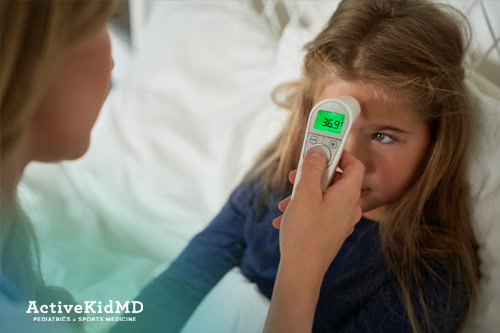 Watch the video: https://youtu.be/CpGdc-GYwuw?si=6U-9Ld0x-rkPLVSo
When your child has a fever, things can be frightening, especially when temperatures rise. Questions like “How high is too high?” or “When do I need to call the doctor?” are extremely common.
Here are a few key takeaways from our fever guide:
- A fever is 100.4°F (38°C) or higher.
- Fever is a sign that the immune system is working and is not necessarily something dangerous on its own.
- The main goal is keeping your child comfortable, not achieving a “perfect” number
How To Measure Temperature
- Under 3 months: use a rectal thermometer
- Over 3 months: a skin or ear thermometer works well
Important:
A fever of 100.4 or higher in a baby 3 months or younger requires immediate medical care.
For older children, parents often wonder if there’s a “scary” temperature. Our video walks you through what numbers matter—and what symptoms matter more.
Watch the full video for guidance on when to worry, how to treat fevers, and what to avoid.
2. Vomiting and Diarrhea: How You Can Prevent Dehydration
Watch the video: https://youtu.be/KrGAIoUWD1o?si=CAWvEsXBhkmF-NrK
Vomiting and diarrhea can quickly turn a normal day upside down. The biggest concern for most parents is dehydration, especially in babies and toddlers.
This video shares some key tips to help your child at home and reduce the need for IV fluids and emergency room visits.
Signs of Possible Dehydration
- No tears when crying
- Fewer wet diapers or fewer trips to pee
- Every 2–3 hours for babies under 1 year
- Every 3–4 hours for older children
- Child seems tired, “off,” or not wanting to play
- Dry mouth or lack of saliva
- Sunken eyes
If you see one or more of these signs, call our office or seek more immediate care.
 To Keep Your Child Hydrated
Offer small, frequent amounts of fluids:
-
-
- Breast milk, formula, or oral rehydration solutions
- 1 teaspoon (5cc) every 5–10 minutes
- Use a spoon, syringe, or cup—whatever your child tolerates
-
It can feel slow and tedious, but this technique is incredibly effective. In just 30–60 minutes, you may notice:
-
-
- More tears
- Improved energy and playfulness
- More wet diapers or bathroom trips
-
Watch the full video for detailed steps, red-flag symptoms, and tips to reduce the need for IV fluids or ER care.
 3. What You Can (and Shouldn’t) Do When Your Child has a Cough
 3. What You Can (and Shouldn’t) Do When Your Child has a Cough
Watch the video: https://youtu.be/hAYfh-bOUiA?si=mm3pMFuizg1op7oG
Coughs come in all varieties—short-lived, lingering, wet, dry—and they can be stressful for kids, parents, and even physicians. The video breaks down what you can do at home and how to know when a cough needs medical attention.
Understanding a Cough
A cough is the body’s way of keeping the airway open. The surrounding symptoms often tell us more than the cough itself.
The signs and symptoms that show up with it help parents determine when to worry.
A “Nuisance” Cough
If your child is:
- Playing
- Eating normally
- Sleeping reasonably well
- Attending school
…their cough is likely more of an annoyance than a danger.
 Coughs That Need More Attention
Call our office if your child has:
-
-
- A cough that disrupts sleep
- Cough with fever and vomiting
-
See also: Facts on Fever
-
-
- History of asthma, wheezing, or eczema (coughs can flare these conditions)
- Difficulty breathing or working hard to breathe
-
If your child already has an inhaler, trying it may help—but always reach out to us if symptoms don’t improve.
The video walks you through exactly what helps, what doesn’t, and when to seek care.
Final Thoughts
We hope these videos empower you with practical, simple steps to manage common pediatric illnesses confidently. Illness can be stressful, but with the right tools, you can help your child feel better while knowing when it’s time to reach out.
Remember to subscribe to our YouTube channel for more parent-friendly guides, medical insights, and seasonal tips.
If you have questions or concerns about your child’s symptoms, the ActiveKidMD team is always here to help.