

Featuring Step-by-Step Video Tutorials from ActiveKidMD
Who is this guide for?
Parents of infants, toddlers, and children who:
- Snore during sleep
- Have frequent ear infections
- Experience ear pain, congestion, or sleep concerns
Why this matters
Snoring and ear infections are common in children. Most cases are mild, but some symptoms can signal breathing problems, sleep disruption, hearing concerns, or the need for medical care.
To help families feel confident at home, ActiveKidMD has created a video series with:
- Clear action steps
- When to monitor vs. when to call
- Comfort tips you can use right away
How to use this guide
- Watch the videos below
- Bookmark this page for future reference
- Subscribe to our YouTube channel
- Share with family and friends
- Stay tuned—more videos are on the way
Kids Who Snore: When Parents Should Pay Attention
Does your baby or child snore during sleep? Does a sibling complain that snoring keeps them up at night?
When is snoring normal?
Snoring is common. Many children will snore at some point, especially when they:
- Are very tired
- Have a cold or congestion
- Are sleeping deeply
- Are lying in certain positions
Occasional snoring without other symptoms is usually less concerning.
What should parents watch for?
Contact your pediatrician if snoring is frequent or you notice:
- Gasping or choking sounds during sleep
- Pauses in breathing (apnea)
- Catching or holding their breath
- Mouth breathing most of the night
- Nostrils flaring (working hard to breathe)
- Frequent coughing with snoring
- Nighttime awakenings for the child or siblings
- Bluish lips or face, or skin turning pale or red
Emergency signs
Seek immediate medical care if snoring occurs with:
- Fever
- Drooling
- Difficulty moving the neck
Special signs in babies
In infants, airway issues may be associated with:
- Increased spit-up
- Back arching
- Frequent crying
Why persistent snoring matters
 Snoring is often caused by a partial blockage of the upper airway. Nightly snoring with breathing difficulty may lead to:
- Poor sleep quality
- Behavior problems or irritability
- Attention difficulties
- Mood changes
- Speech concerns
- Abnormal tooth or jaw development
- Increased risk of accidents due to fatigue
If your child has speech, dental, learning, or behavior concerns, be sure to mention snoring at your visit.
What we may do
Babies & Infants
We may evaluate for reflux or feeding concerns and recommend:
- Feeding position changes
- Thickened feeds
- Medication when appropriate
Older Children
A common cause is enlarged tonsils or adenoids. Evaluation may include:
- Physical exam
- Neck X-ray to assess airway
- Referral to an ENT specialist if needed
Other causes
Chronic nasal congestion from:
- Illness
- Environmental irritants
- Allergies
If snoring continues despite treatment, a sleep study may be recommended.
When to call ActiveKidMD
Call if:
- Snoring occurs most nights
- You notice breathing pauses or gasping
- Your child is not sleeping well
- Daytime behavior or attention is affected
Better sleep for your child means better sleep for your whole family.
Signs of an Ear Infection in Children & How Doctors Decide on Treatment
Why ear infections happen
Middle ear infections occur when fluid becomes trapped behind the eardrum and bacteria or viruses grow. This often happens with:
- Colds
- Nasal congestion
- Upper respiratory infections
- Allergies
Ear infections commonly happen alongside colds and may be accompanied by coughing and nasal congestion.
Signs your child may have an ear infection
- Pulling or tugging at the ear
- Ear pain or increased irritability
- Fever or higher-than-normal temperature
- Changes in sleep or appetite
- Fluid draining from the ear or unusual odor
- Difficulty hearing or not responding to sounds
Do all ear infections need treatment?
Not always.
Many ear infections improve within a few days. Our first goal is comfort, which may include:
- Pain medication
- Fluids and rest
- Monitoring symptoms
For children aged 3 and older who can describe their pain, we may recommend watchful waiting.
For younger children or more severe cases where pain management alone isn’t enough, antibiotics may be prescribed for 7–10 days.
We’re always happy to examine your child and help decide the best approach.
When ear infections keep coming back
We may discuss further evaluation if:
- Fluid remains trapped behind the eardrum for more than 3 months
- There are changes in hearing or speech
- There are changes in the appearance of the eardrum
- A child has:
- More than 3 ear infections in 6 months, or
- 4 infections in a year
What are ear tubes?
Ear tubes are small tubes that are placed into the eardrum by an Ear, Nose, and Throat (ENT) specialist. They:
- Allow fluid to drain from the middle ear
- Reduce the risk of repeated ear infections.
- Are small and made from silicon or plastic.
- Allow time for the child to mature and for the tube that drains the ear to the throat to get larger and more effective (usually by age 5).
- Usually fall out on their own 6-12 months after surgery.
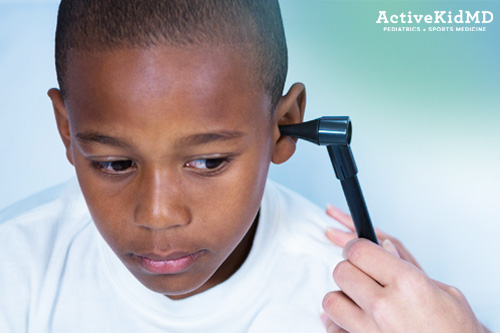 How can parents reduce the risk of ear infections?
- Wash hands frequently
- Avoid secondhand smoke exposure
- Stop bottle use after age 12 months (switch to a sippy cup)
- Stay up to date on vaccinations, including the annual flu vaccine
When to call ActiveKidMD
Call if your child:
- Has significant ear pain or fever
- Is not improving after a few days
- Has frequent ear infections
- Shows hearing or speech concerns
We’re here to help you decide whether comfort care, observation, or treatment is the right next step.
We’re here to help
ActiveKidMD.com
714-974-2220
Share this guide with family and friends and subscribe for more Parent Guides, videos, and pediatric education.